 Love doesn’t move in a linear form in today’s world; this is why words like relationships and dating are normally used interchangeably without giving them a clear, distinctive difference or definition. While some people jump right into exclusivity, others are “talking,” and still others are “seeing each other.” Knowing the difference between dating and being in a relationship is more than just semantics; it can have an impact on your future, feelings, and expectations. And so, it is in your best interest that you know these two to avoid heartbreak due to heightened expectations.
In this article, we will walk through the full journey: what dating means in 2025, the stages that lead to love, the signs that you are in a serious relationship stage, and how to know when it’s time to walk away from a relationship. And so, whether you are new to the dating scene or seeking clarity in your current situation, this article is put together in a way that will give you the insight and language to navigate your love life with purpose.
What Does Dating Really Mean Today? (Modern Definition Explained)

When Does Dating Become a Relationship? Clear Signs You Have Crossed the Line
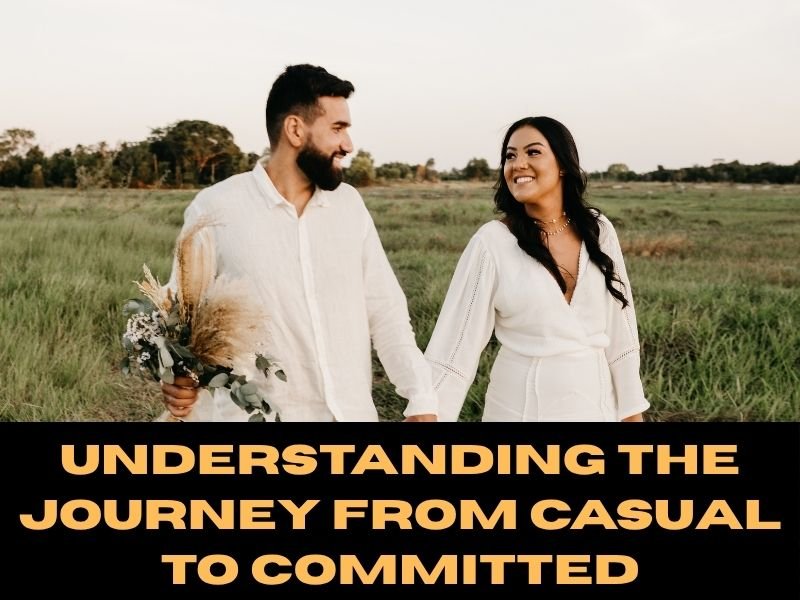
There are usually no flashing lights or a formal ceremony when you go from dating to being in a relationship. Instead, it happens slowly and sometimes without clear communication. You start to see changes: you text each other every morning and night, make plans for the future, and introduce each other to friends and family. At this point, you don’t have to “play it cool” or keep your options open anymore. You both feel comfortable with the routine you have made, and all of a sudden, it begins to feel wrong to think about dating someone else. This emotional exclusivity is a clear sign that you’ve crossed the line into relationship territory.
Another major clue? You begin to depend on each other, not out of neediness, but because you trust and respect the bond that’s forming. You seek their input on life decisions, comfort each other during hard days, and genuinely care about how your choices impact the other person. Most importantly, there’s often a defining moment, spoken or unspoken, when both of you agree that this connection is exclusive and intentional. This doesn’t always mean using labels immediately, but there’s usually clarity: you are not just dating anymore, you are building something together.
Relationships and Dating: What’s the Difference and Why It Matters
While dating and relationships are part of the same romantic spectrum, they serve very different emotional and social functions. Dating is mostly a time to explore. It lets two people get to know each other without having to do much. People are interested, excited, and often focused on chemistry and things they have in common. There might be romance or intimacy in the relationship, but there isn’t a strong commitment or long-term planning. On the other hand, a relationship gives you structure, emotional investment, and expectations. You are no longer just getting to know each other; you are now maintaining, nurturing, and building together.
Think of dating as a trial period in the process of getting a job. Both sides are looking at how well they get along, what they believe in, and what their long-term potential is during this time. There is interest and effort, but either side can leave without any big problems. But a relationship is like taking a full-time job. Expectations become clearer, both sides are responsible for their actions, and both sides are working toward long-term growth. This difference is important because mixing the two up can cause people to have different expectations, with one person thinking about the future and the other still looking at their options.
The 5 Key Stages of Dating That Lead to Lasting Love
Even if we don’t realize it, most romantic relationships go through emotional stages, and knowing these stages will help you not rush in or back out before something important happens. Stage One: Initial Connection and Awkward Firsts is the first step in the dating process. You are still strangers trying to impress each other, and you are nervous and aware of yourself.
Stage Two: Growing Attraction and Shared Moments is when you get closer by laughing together, texting each other late at night, and slowly letting each other in. In
Stage Three, Emotional Vulnerability and Uncertainty, doubts start to creep in. Are you the only one they’re seeing? Do your feelings match theirs? These doubts often lead to
Stage Four: Mutual Trust and Clear Communication, when the relationship goes from being casual to being very open about feelings.
Stage Five: Deep Intimacy and Future Planning marks the beginning of a serious commitment, such as love, exclusivity, and a shared vision.
How to Know If You are Just Dating or in a Serious Relationship
Let’s say you’ve been seeing someone for a couple of months. You talk regularly, but plans are spontaneous, and there’s still hesitation around meeting friends or talking about the future. That’s likely still dating. Now imagine another scenario: You both share passwords to your Netflix accounts, plan weekend trips weeks in advance, and when something big happens in your life, good or bad, they are the first person you text. That’s no longer just casual dating. It’s a shift into emotional partnership, and recognizing these behaviors can help you clarify what you are building and whether you are both on the same page.
Top 10 Signs You Are in a Healthy Relationship (Not Just Casual Dating)
It’s not just about passion or spending time together that makes a relationship healthy. It’s also about how two people support each other emotionally, grow as individuals, and build something important together. A healthy relationship is stable, emotionally safe, and requires work from both partners. This is different from casual dating. You both feel safe, seen, and valued. You can find happiness in the little things, trust in the quiet ones, and work toward your long-term goals. These signs are the start of something real, not just a fun connection, but a strong emotional bond.
Here are 10 signs you are in a healthy relationship, not just casually dating:
-
Mutual emotional support – You celebrate each other’s wins and comfort each other during losses.
-
Consistent, honest communication – You talk through issues rather than avoid them.
-
You make plans together – Whether it’s next weekend or next year, the future includes each other.
-
You’re exclusive (and want to be) – There’s no desire to date others because you feel fulfilled.
-
Conflict is resolved with respect – Disagreements don’t turn into personal attacks or silent treatments.
-
You’ve met each other’s friends or family – Your relationship is acknowledged in your wider lives.
-
You feel like your true self – There’s no need to perform or pretend.
-
You share values and boundaries – You’ve talked about dealbreakers, needs, and expectations.
-
There’s mutual effort – Both of you initiate, plan, and invest emotionally.
-
You feel safe and loved – At the end of the day, you know where you stand.
If most of these signs feel true, then you are likely in a healthy relationship, not just passing time or casually seeing someone.
Can You Date Without Being in a Relationship?

Yes, you can date someone without being in a relationship. A lot of people do this, especially when they first start dating in the modern age. When you date without committing, you might go out, spend time together, and even be physically intimate, but you won’t have the emotional exclusivity or long-term planning that comes with being in a relationship. If both people are on the same page, these kinds of relationships, which are often called casual dating or situationships, can be satisfying. They let you explore, have fun, and grow as a person without the stress of having to commit.
However, complications arise when one person starts to develop deeper feelings while the other still views the connection as casual. For example, Jason and Naomi had been dating for two months, meeting once or twice a week and enjoying great chemistry. Naomi assumed they were heading toward a relationship, while Jason saw it as casual fun. When Naomi brought up exclusivity, Jason was surprised; he had never thought of it that way. This disconnect led to disappointment and confusion. That’s why clear communication is vital when dating without a relationship label. You can absolutely enjoy dating without commitment, but only if expectations are shared and respected on both sides.
Relationship Expectations vs. Dating Expectations: What’s Normal?
Expectations are a normal part of being with someone, but they change a lot depending on whether you are dating casually or seriously. At the beginning of a relationship, people don’t expect much from each other. They just want quick responses, mutual interest, and basic respect. You two are getting to know each other, so you shouldn’t expect to check in every day, be exclusive, or be emotionally available all the time. There is more room for negotiation and fewer demands because both sides are still figuring out if they are a good fit without the pressure of committing.
In contrast, a relationship brings deeper, more defined expectations. You begin to expect consistency, not just spontaneity. Plans become more intentional, and emotional availability becomes a non-negotiable. For instance, if you’re in a relationship, you likely expect your partner to prioritize your needs during hard times, be honest about their feelings, and take your future into account when making decisions. While dating says “I like spending time with you,” a relationship says “I’m considering how you fit into my life long-term.” Recognizing these shifts can help prevent unmet needs and emotional misunderstandings.
The Role of Trust, Time, and Titles in Modern Relationships
Three main things keep love going over time: trust, time, and titles. Trust is the emotional glue that keeps a relationship together. It makes people feel safe, lets them be vulnerable, and builds the base for lasting intimacy. Even the strongest attraction can quickly turn into insecurity and doubt if there is no trust. On the other hand, time is about being there and being consistent. It’s not just how long you’ve known someone; it’s also how much you care about them. Spending time together makes memories, helps people understand each other better, and strengthens emotional bonds.
Not everyone who’s dating is ready for a relationship, and that’s perfectly okay. But being honest with yourself about where you stand emotionally can save you and others from confusion and heartache. If you are still enjoying the freedom of casual encounters, avoiding deep emotional conversations, or are unsure about your long-term priorities, you may still be in dating mode. In this phase, you are exploring, learning about your needs, and not necessarily looking for a deep commitment. It’s a valid stage of growth, especially if you’ve recently come out of a relationship or are still working on self-discovery.
On the other hand, being ready for a relationship means you are open to other people’s feelings, willing to give and take, and eager to build something stable with someone else. You are not just looking for someone to be with; you want to connect with them. For example, James started to care deeply about how his actions affected her after two years of casual dating. He started to think about their future together and put her first. That change showed that they were ready. You don’t have to be perfect to be ready, but you do need to know yourself. Knowing if you are ready helps you talk clearly and not hurt others on purpose.
What Makes a Relationship Last Beyond the Dating Phase?
Falling in love is easy. What’s harder, and far more meaningful, is growing in love once the initial excitement wears off. Relationships that last beyond the dating phase rely on more than attraction; they are built on emotional maturity, shared values, and a commitment to growth. Communication becomes more important than chemistry, and trust becomes more important than excitement. For a relationship to last, both partners need to be there for each other all the time, not just when things are going well, but also when there are misunderstandings, when life gets busy, and when old wounds come back.
Consider Alicia and Daniel, who moved from dating to a committed relationship over the course of a year. In the early months, everything was spontaneous and passionate. But as life’s challenges appeared—family disagreements, career stress- they learned that love isn’t just a feeling, it’s a daily practice. They built rituals: Friday night check-ins, shared budgeting apps, and monthly goal-setting. It wasn’t always romantic, but it was real. What made their relationship last wasn’t luck; it was intention. They kept choosing each other, even when it wasn’t convenient. That’s the difference between dating for fun and building a life together.
When to Walk Away: Knowing If Your ‘Dating’ Isn’t Leading to a Relationship
Knowing when to walk away is one of the hardest but most important things to do when dating. If your relationship isn’t getting better, clearer, or more balanced, it might not be good for your mental health anymore. If one or both people keep avoiding serious conversations, putting in inconsistent effort, or not wanting to define the relationship, it may be a sign that they are not on the same page with their intentions. Staying in this limbo will make you emotionally tired, lower your self-esteem, and waste your time. By recognizing these patterns early, you can make choices that are clear and honor yourself.
Imagine dating as a mutual negotiation process. In business, when one party repeatedly delays agreement, avoids specifics, or offers vague terms, it becomes evident that a deal is unlikely to close. Continuing negotiations in that environment is inefficient and often detrimental. The same applies to dating. If you are consistently the only one seeking clarity, initiating plans, or expressing emotional investment, the dynamic is unbalanced. In such cases, withdrawing from the connection is not a sign of failure but a strategic decision to protect your time, values, and emotional goals.
Conclusion
Understanding the difference between dating and being in a relationship is more important than ever in today’s constantly changing world of love. Dating is a space of exploration, of curiosity, connection, and compatibility. It allows people to discover what they want in a partner, test their emotional readiness, and learn how to communicate. But when emotional depth, trust, mutual commitment, and long-term planning enter the picture, that’s when dating transitions into a relationship. One is not better than the other; they simply serve different purposes.
Clarity is the most important thing, whether you are just starting to date casually or trying to build a long-term relationship. You need to be clear about your needs, your intentions, and how much emotional strength you have. Don’t mix up chemistry with commitment, and don’t accept not knowing when your heart is looking for direction. Two people who are honest, consistent, and brave enough to grow together make love happen. In the end, real connection doesn’t come from perfect timing. It comes from working together, feeling safe emotionally, and being willing to choose each other every day.